


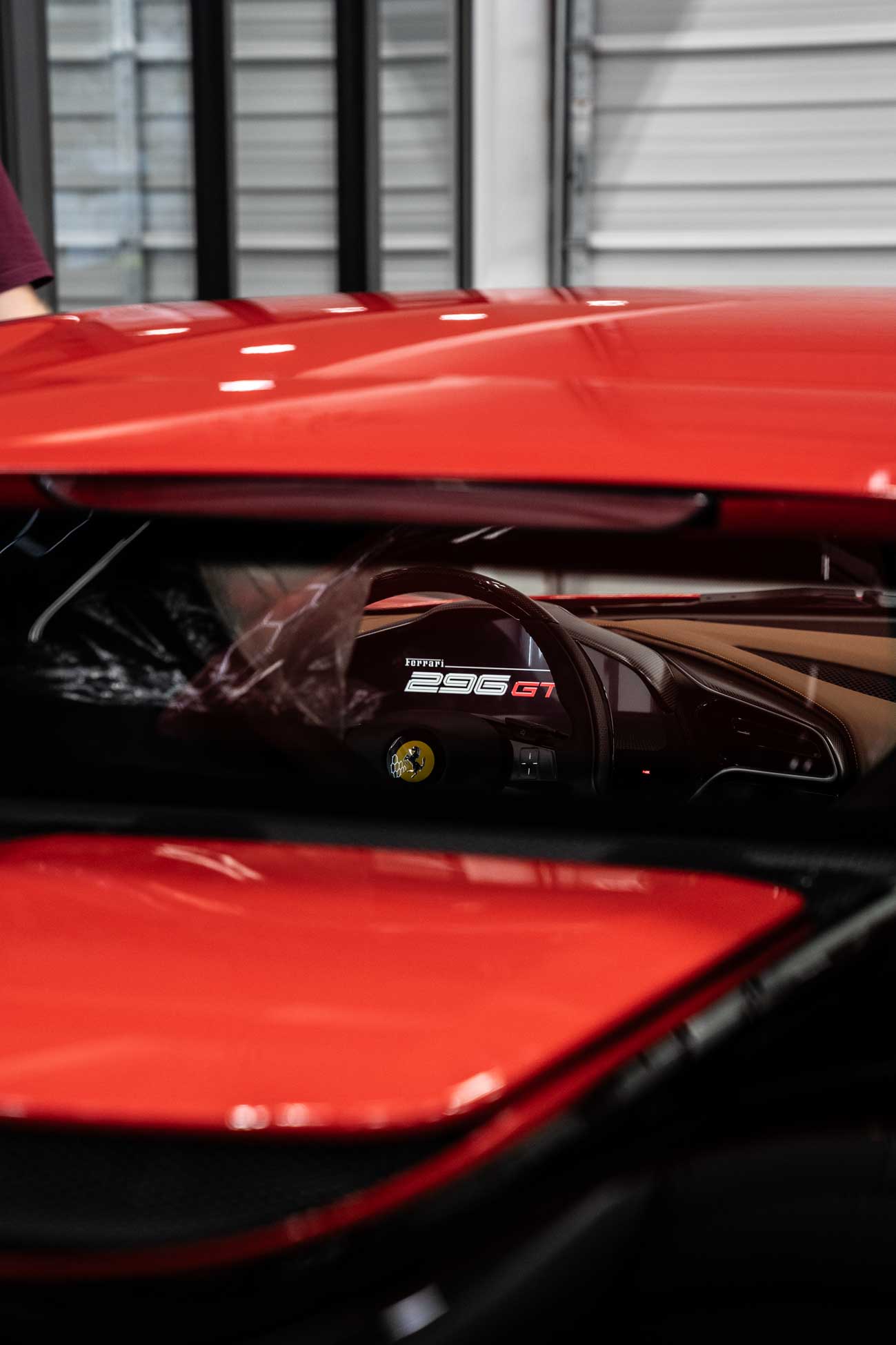

How Window Tint Helps Keep Your Car Cooler in Austin
An Austin summer can turn a parked car into a hot space quickly. Automotive window tint can help reduce some of the sun’s heat and glare, making everyday drives more comfortable. The results depend on the film, vehicle, and amount of direct sunlight.
Not all window tint works the same
A film’s visible darkness doesn’t tell you how much heat it can reject. Different films handle heat, visible light, and UV rays differently. Ask about the film’s specifications and choose based on what matters most to you—comfort, glare, privacy, and visibility.
Less glare on sunny drives
Bright sun can make driving uncomfortable and distracting. Window film may help reduce glare, but a shade that’s too dark can make it harder to see at night or in poor weather. Consider visibility as well as appearance when choosing a tint.
Help protect your car’s interior
Sun exposure can contribute to fading and wear on seats and trim. Some automotive films block significant UV rays; check the specifications for the specific film you’re considering. Tint can help reduce exposure, though it won’t prevent all interior wear.
Choose a film for your Austin commute
Think about where you park, how often you drive in direct sunlight, and the look you want. A professional installer can explain the options and help confirm the installation meets current Texas requirements for your vehicle.
Conclusion
Window tint won’t keep a parked car cool by itself, but the right film can make sunny drives more comfortable. TX Tint can help you compare options for your vehicle. Contact us for a free quote.
Contact Us


2500 S Hwy 183, Building 3 Unit 330,
Austin TX 78744
Get Directions

Monday – Friday: 8:30am to 5:00pm
Saturday: 9:00am to 2:00pm
Sundays by reservation only